Computer Won’t Connect to Hotspot? Here’s How I Finally Fixed It
Advertisements
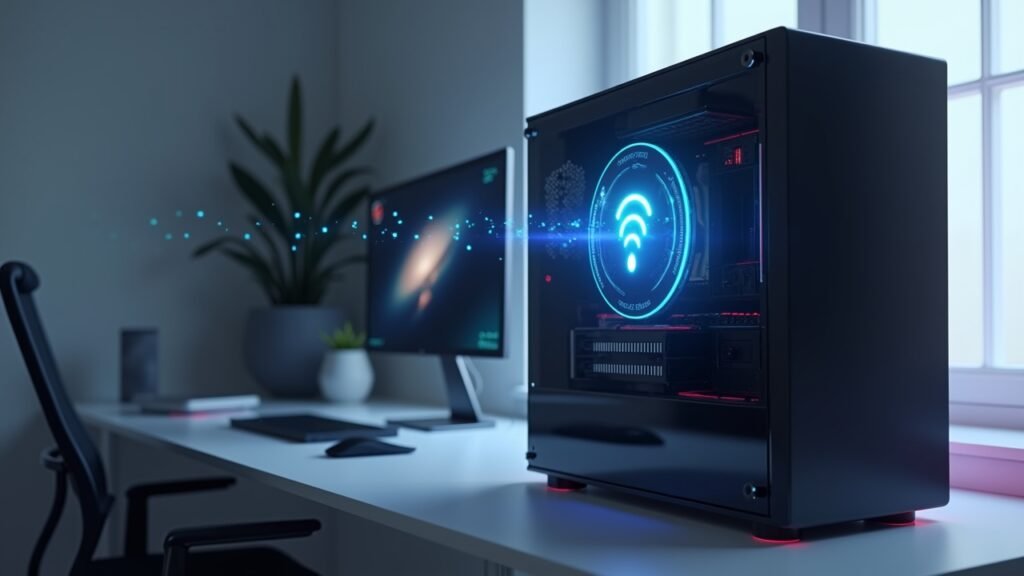
So get this — nearly 60% of remote workers have relied on a mobile hotspot as their backup internet at some point. I know because I was one of them, sitting in a coffee shop parking lot, desperately trying to get my laptop online before a Zoom call. My computer won’t connect to my hotspot, and I’m literally sweating bullets. Sound familiar?
If your computer refuses to connect to your phone’s hotspot, don’t panic. I’ve been through this nightmare more times than I’d like to admit, and I’ve picked up some real solutions along the way.
Why Your Computer Won’t Connect to Your Mobile Hotspot
Before we start fixing stuff, it helps to understand why this happens in the first place. There’s usually a handful of culprits behind hotspot connection issues, and honestly, most of them are surprisingly simple.
- Your phone’s hotspot isn’t actually turned on (yeah, I’ve done this)
- Wi-Fi drivers on your computer are outdated or corrupted
- The hotspot network band (2.4 GHz vs 5 GHz) isn’t compatible with your laptop
- Too many devices are already connected to the hotspot
- Your phone’s cellular data has been throttled or your data plan ran out
- A VPN or firewall is blocking the connection
Once I figured out it was usually one of these things, troubleshooting got way easier. Like, way easier.
Step 1: Toggle Everything Off and Back On
I know, I know — “have you tried turning it off and on again?” But seriously, this works more often than it should. Turn off your phone’s hotspot, disable Wi-Fi on your computer, wait about 10 seconds, and then turn everything back on.
One time I spent 45 minutes troubleshooting network settings only to realize a simple restart was all it needed. I felt pretty dumb, but hey, lesson learned. Sometimes the old-school fix is the best fix.
Step 2: Check Your Hotspot Settings on Your Phone
Head into your phone’s hotspot settings and make sure the network name and password are correct. I once had my hotspot password changed by an iOS update — no joke. Also, try switching from 5 GHz to 2.4 GHz, because some older laptops just can’t see 5 GHz networks.
On iPhone, go to Settings > Personal Hotspot. On Android, it’s usually under Settings > Network > Hotspot & Tethering. Double-check that “Allow Others to Join” is toggled on if you’re using an iPhone, because that setting is sneaky.
Step 3: Update or Reinstall Your Wi-Fi Drivers

This one’s a biggie. Outdated wireless network drivers are probably the most common reason a computer won’t connect to a hotspot, and most people never think to check them.
On Windows, open Device Manager, expand “Network adapters,” right-click your Wi-Fi adapter, and select “Update driver.” If that doesn’t work, try uninstalling the driver entirely and restarting your PC — Windows will reinstall it automatically. Microsoft has a helpful guide on fixing Wi-Fi issues that’s actually worth reading.
Step 4: Forget the Network and Reconnect
Sometimes your computer is holding onto old connection data that’s basically corrupted. Go to your Wi-Fi settings, find the hotspot network, and click “Forget.” Then reconnect from scratch by entering the password again.
This fixed my issue on a work trip to Denver last year. My laptop kept saying “Can’t connect to this network” over and over, and forgetting the network was the magic bullet.
Step 5: Disable VPN and Check Your Firewall
If you’re running a VPN or have aggressive firewall settings, they can sometimes interfere with new network connections. Try temporarily disabling your VPN and see if the hotspot connects. You can always turn it back on once you’re connected.
Also, some antivirus programs have their own firewall built in that can block hotspot connections. It’s worth checking if something like Norton or McAfee is being overprotective.
You’ve Got This — Seriously
Look, hotspot connectivity problems are annoying, but they’re almost always fixable with a little patience. Start with the simple stuff — toggling settings, restarting devices — and work your way up to driver updates. Every situation is a little different, so don’t be afraid to customize these steps for your specific setup.
And if you found this helpful, stick around! We’ve got tons of practical tech troubleshooting guides over at Fix Fable that’ll save you from pulling your hair out next time technology decides to act up.