
How to Stop App Tracking on iPhone (And Why I Wish I’d Done It Sooner)
Advertisements
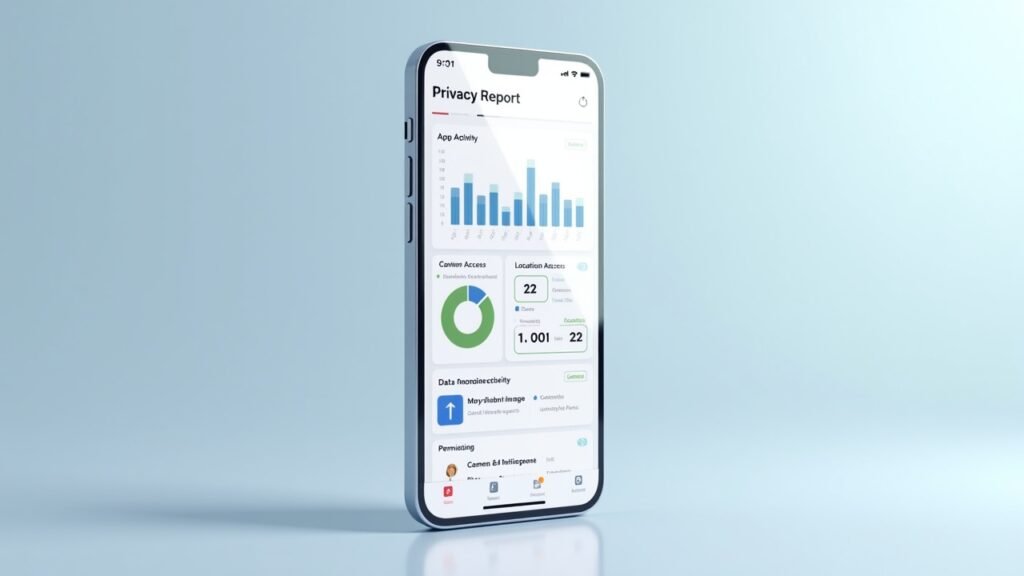
Here’s a stat that genuinely made me uncomfortable: the average iPhone user has around 80 apps installed, and a huge chunk of them are quietly tracking your activity across other apps and websites. Eighty apps! I remember the exact moment I realized how much data I was giving away without even thinking about it. It was honestly a little creepy, and it lit a fire under me to finally lock things down.
If you’ve been meaning to stop app tracking on your iPhone but keep putting it off, I totally get it. I procrastinated for months. But trust me, once you flip a few switches, you’ll wonder why you didn’t do it sooner.
What Even Is App Tracking on iPhone?
So before we dive in, let’s get on the same page. App tracking is basically when apps collect data about your activity — what you browse, what you buy, which other apps you use — and then share that info with third parties, usually for targeted advertising. Apple introduced a feature called App Tracking Transparency (ATT) back in iOS 14.5, and it was a game-changer.
Before ATT existed, apps could track you pretty freely using something called an IDFA (Identifier for Advertisers). You had almost no say in the matter. Now, apps actually have to ask your permission first, which is a massive win for iPhone privacy settings.
The Quick Way to Disable App Tracking Across the Board
Okay, this is the big one. If you want to stop all apps from even requesting to track you, there’s a single toggle that handles it. I honestly felt a wave of relief when I found this.
- Open Settings on your iPhone.
- Tap Privacy & Security.
- Tap Tracking.
- Toggle off Allow Apps to Request to Track.
That’s it. Seriously. When this is turned off, apps are automatically prevented from asking, and any app that was previously granted permission gets told to stop tracking too. I made the mistake of leaving this on for like a year after updating to iOS 14.5 because I just didn’t know where the setting was hidden. Don’t be like me.
Managing Tracking Permissions App by App
Now, maybe you don’t want a blanket ban. Maybe there’s one or two apps you actually trust with your data — like I personally don’t mind my running app knowing a bit about me because the recommendations genuinely improve. Fair enough.
In that same Settings > Privacy & Security > Tracking menu, you’ll see a list of apps that have asked for tracking permission. You can toggle each one individually. It’s kind of eye-opening to scroll through and see which apps had the audacity to ask in the first place.
I remember spotting a random flashlight app on that list and thinking, “Why on earth does a flashlight need to track me across other apps?” Unreal. That one got denied real quick.
A Few Extra Steps That Actually Help
Turning off app tracking is a great start, but if you’re serious about protecting your data on your iPhone, there’s a few more things worth doing. These are steps I’ve added to my routine over time, and they make a real difference.
- Limit ad tracking: Go to Settings > Privacy & Security > Apple Advertising and turn off Personalized Ads.
- Review location permissions: Under Privacy & Security > Location Services, check which apps have access to your location and set them to “While Using” or “Never.”
- Use Safari’s built-in privacy features: Safari blocks cross-site tracking by default, but double-check under Settings > Safari that Prevent Cross-Site Tracking is enabled.
- Keep iOS updated: Apple regularly patches security vulnerabilities, so staying on the latest version matters more than people realize.
One thing I learned the hard way — I once skipped an iOS update for weeks because I didn’t want to wait for the download. Turns out that update patched a pretty significant privacy exploit. Lesson learned.
Take Your Privacy Back, One Toggle at a Time
Look, you don’t have to become a cybersecurity expert to protect yourself. Just spending five minutes in your iPhone’s privacy settings can make a huge difference in how much of your personal data is being shared without your knowledge. Start with that main tracking toggle, then customize from there based on what feels right for you.
And hey, if you found this helpful, there’s plenty more practical guides like this one over on the Fix Fable blog. We’re all about making tech less intimidating — go poke around and see what catches your eye!